RSS

Long Beach Tides: How Can We Support Our Community?

Long Beach has always been a place where neighbors show up for one another.

The recent high tides and storms have been hard on parts of our coastline. To anyone dealing with the aftermath, we’re sending our support.

With more high tides on the way, here are a few ways we can prepare and look out for one another.

What are king tides?

King tides are the highest tides of the year. They happen when the moon and sun line up and pull a little harder on the ocean, bringing water a foot or two higher than a typical high tide. When they arrive alongside a strong swell or storm, low-lying areas can see flooding.

More king tides are expected this winter, typically from late fall through January. You can check exact times for your area with NOAA Tides & Currents or learn more through the California King Tides Project.

A few helpful steps

  • Know your flood zone. Search your address on FEMA’s Flood Map Service Center.

  • Review your coverage. Most standard homeowners policies don’t include flood damage, even outside high-risk zones. Check in with your insurance agent or visit FloodSmart.gov to explore options.

  • Clear drains and gutters before winter rains.

  • Keep sandbags handy. Long Beach residents can pick up free sand and sandbags with ID. See locations and details.

  • Take photos of your home and belongings now, just to have them.

Check on your neighbors

Some neighbors may need an extra hand, especially older residents or anyone with limited mobility. A quick knock on the door, a text, or help carrying sandbags can mean a lot. Long Beach also offers help filling sandbags at the Lifeguard Station at 72nd Place.

Stay in the loop

Sign up for Alert Long Beach, the city’s free emergency notification system, and share it with friends and family nearby.

Read

🧠 Test the Market vs Trust the Market

“Let’s just list it high and see what happens.”

We hear this all the time. And on the surface, it feels like there’s no risk. You can always adjust later, right?

But the market doesn’t work that way. Buyers are watching closely. The second something feels overpriced, they hesitate. They wait. Or they move on completely.

And while that’s happening, your home is building time on market. That’s the one thing that starts to work against you. Even great homes can lose momentum if they sit too long in the beginning.

Pricing correctly from the start isn’t about playing it safe. It’s about creating demand. When you position it right, you give buyers a reason to act… and that’s when you start to see stronger offers come in.

If you want to price strategically instead of guessing, we’ll walk you through exactly how we approach it.

Read

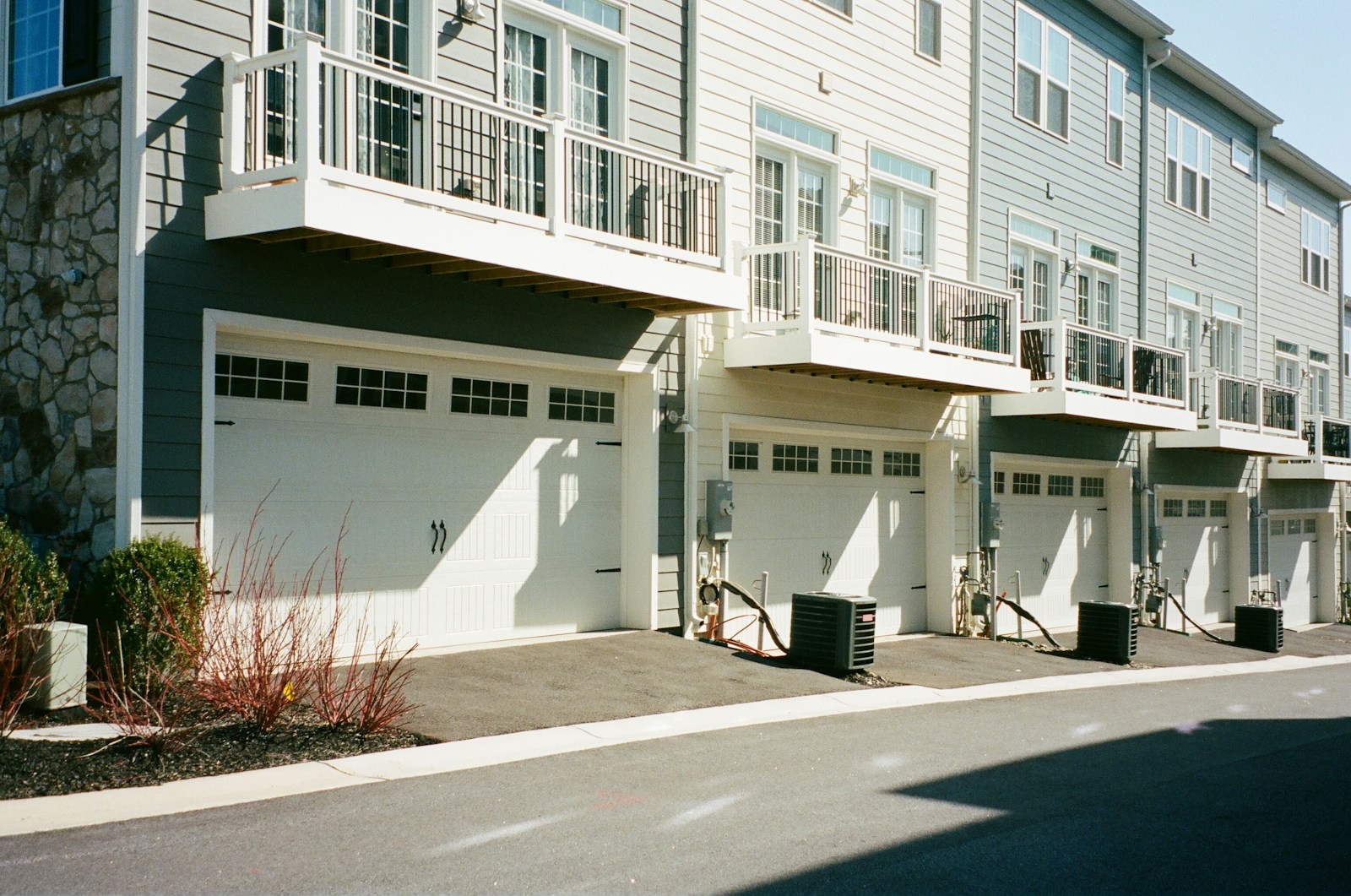
Buying a Townhome? Here's What's Changing With Financing in 2026 🏡

Lower price point, less maintenance, and often a better location for the money. It's easy to see why a townhome catches your eye. Before you get too far into the process, there are a few financing details worth knowing that don't come up with a single-family home.

Not Every Community Qualifies the Same Way

Some townhome associations qualify for standard conventional loan programs, and some don't. That distinction changes the entire financing process and timeline, so it's worth confirming early rather than discovering it mid-escrow.

Recent Changes Worth Knowing

A streamlined financing option for townhome associations was discontinued this past August, which has slowed down some closings. Looking ahead, HOA reserve requirements are set to rise from 10% to 15% starting around January. Associations that aren't prepared for that increase could temporarily lose eligibility for standard financing, which may affect how many buyers can qualify for a given property.

None of this puts a townhome off the table. It just means asking the right questions upfront makes for a smoother process from offer to closing.

Found a townhome you're considering? Let us check its financing status before you fall too in love with it.

Read

Is the Market Really Slowing Down? 🤔And Are HOA Fees Really That Bad?

Notice things feeling a little quieter out there? Kids are back in school, schedules are settling, and the market always eases up this time of year. If it feels like a snail's pace compared to the last couple of years, that's because it is. But this isn't a slowdown to worry about. It's simply a return to the steady, pre-pandemic rhythm we all remember.
That slower pace holds true whether you're watching a condo, a townhome, or a single-family neighborhood. Things are moving, just without the frenzy.
If you're in a community with HOA dues, we know the hesitation. Dues can feel like money going nowhere, especially when a special assessment shows up out of the blue. But shift your perspective for a moment. When the roof needs replacing or termites move in, you're not covering that alone. Your neighbors are right there with you, sharing the cost. Want to know what's coming before it happens? Join the board and you'll always be in the know.
If a move has been on your mind, whether it's a condo, a townhome, or a house down the street, we'd love to help you figure out if now is the right time. Or if you're curious about the market this fall, or what your home might be worth right now, we're just a message away.

Read

Sellers Don't Need a Listing. They Are the Listing.

Sellers, what's the one thing you actually need to sell your home? It's not a fancy MLS description. It's not a sign in the yard. It's not even an agent.

You need a buyer.

That's it. Selling a home comes down to two parties agreeing on a price and terms. Everything else, the marketing, the staging, the open houses, exists to get you there. It all points to one outcome: finding the person who wants what you have and is ready to say yes.

This is why pricing matters so much. Price too high and you scare buyers away before they ever walk through the door. Price it right and you create competition, the kind that gets you multiple offers and leverage at the negotiating table.

It's also why exposure matters. The more qualified buyers who see your home, the better your odds of finding the one who falls in love with it, and the one willing to meet your terms.

But getting there isn't automatic. It matters who you work with. A good agent knows how to price your home to attract serious interest instead of scaring it off. A good agent knows how to market it so the right people actually see it. And a good agent knows how to separate a genuinely qualified buyer from someone who's just curious, so you're not wasting time on offers that never make it to the finish line.

An agent's job isn't to sell your home. It's to bring you the buyer who will, and to do it with the right pricing, the right marketing, and the right strategy behind it.

At the end of the day, escrow doesn't open because of a great sign or a slick brochure. It opens because two people agreed. Our job is making sure that agreement happens on your terms.

Read

Is Your Home in a Trust? There’s One Detail Many Sellers Overlook.

A lot of homeowners place their home into a trust for smart reasons—estate planning, avoiding probate, protecting family assets, keeping things organized.

And then… life happens.

Years go by, the home stays in the trust, and everything seems fine… until it’s time to sell.

That’s when many families realize there’s more to selling a trust-owned property than just signing listing paperwork.

One of the biggest questions that can come up during escrow?

Does the trust have its own Tax ID (EIN), or is it still reporting another way?

Depending on how the trust is structured—whether it’s revocable, irrevocable, or if there’s been a major life event like the passing of the original trust creator—the trust may need its own tax reporting information.

And if no one has looked at the trust paperwork in years… this can become one of those last-minute details that catches people off guard.

Here’s the good news: it’s usually fixable. But it’s a lot better to catch it before escrow than in the middle of it.

Before listing a home held in a trust, it’s worth checking:

✔ Is title currently vested in the trust?
✔ Are the trustees and trust documents up to date?
✔ Does the trust already have its own Tax ID, if applicable?
✔ Have your CPA or estate attorney reviewed how the sale should be reported?

Real estate isn’t always about staging, marketing, and negotiations. Sometimes it’s the paperwork behind the scenes that matters just as much.

And trust us... the smoother you prepare on the front end, the smoother escrow usually goes on the back end.

As always, every trust is different. Be sure to speak with your CPA, tax professional, or estate attorney for guidance specific to your situation.

Read

🏡 How Do You Actually Want to Live?🌎

Half of American adults say they feel isolated or lacking companionship. It's easy to write that off as personal. But where you live has more to do with it than most people realize.
A beautiful home is only half the equation. The other half is what's around it.
Some people want space and quiet.
A property in the desert, the mountains, or spread across a few acres feels like freedom, not isolation. Room to breathe, distance from the noise.
Others want to walk out their door and be part of something. A walkable neighborhood, a little nightlife nearby, or being three blocks from a farmers market and knowing the produce guy by name.
None of these are wrong. The mistake is picking a home before knowing how you want to live.
This gets even more interesting when you're buying somewhere you've never lived. Moving out of state means getting to know a neighborhood through photos and maps before you ever set foot in it. It's a different kind of house hunt, and it's exactly where the right guidance makes the biggest difference.
That's what we're here for. I've got trusted partner agents across the U.S. and beyond, so wherever you land, you'll have someone great in your corner. Whether you're buying across town or across the country, we help you find not just a house, but a place that actually fits your life.

Read

You’re Fired. 🚫 (And It Goes Both Ways.)

It might sound harsh, but in real estate… it’s sometimes necessary. Buyers don’t always realize this, but hiring an agent isn’t a lifetime commitment. If something isn’t working, if there’s no communication, no clear strategy, or no real progress, you have every right to walk away. You deserve guidance, direction, and a plan that actually moves you forward—not just someone opening doors and hoping something sticks.

That said, this goes both ways. Just as buyers can decide to move on, agents can too. Real estate is a partnership, and it only works when both sides are showing up in good faith. If there’s no trust, no follow-through, or a lack of seriousness, it creates friction that slows everything down. The process requires alignment, honesty, and a shared commitment to the goal.

At the end of the day, the right fit makes all the difference. When you have the right agent and the right mindset, things move with intention. Decisions feel clearer, opportunities are recognized faster, and results follow. And if that alignment isn’t there… sometimes the most productive step forward is knowing when to say, “You’re fired,” and start fresh with the right partnership.

Read

🏡The Best Investment? Understanding Before You Buy

Real estate is always moving.
Rates shift. Inventory changes. The market this year does not look exactly like it did last year, and that is simply part of how things work. The more you understand what is happening, the more confident you will feel about your next move.
That is exactly why education matters right now more than timing. Loan programs change, qualification guidelines get updated, and even small shifts in rates can affect what a monthly payment will actually looks like. Buyers who take the time to understand these pieces tend to move through the process with a lot less stress, and a lot more clarity.
It also helps to know that being "ready" does not mean everything has to happen at once. Understanding your options today, what you qualify for, what programs might fit your situation, and what a realistic timeline looks like, gives you a real plan to work from instead of just a blind guess.
That is where our Lending Advisor comes in. Whether you are ready to buy now or simply planning ahead for later, having someone break it all down in plain language makes the process feel a lot less overwhelming. And if you would rather talk it through in person, our doors are always open too.

Read

Are buyers back in the driver's seat? ⚖️

We had an open house last weekend, and in between showings we caught ourselves thinking about how different this market feels compared to the last few years.

Not worse. Just different. Quieter, in a way. More thoughtful. Buyers walking through slower, asking better questions, and taking their time instead of rushing to compete.

For a long time, it felt like a race. Now it feels more like a conversation. Sellers who've watched their neighbors' homes sell for a certain number a year ago are learning that today's number might look a little different, and that's not a bad thing, it's just the market finding its footing again.

And buyers are finally in the driver's seat, with negotiating power they haven't had in years. Right now, a good number of the homes on the market locally have already seen a price adjustment, giving buyers more time to think things through, more room to ask questions, and have more of say in the process.

That's really what this season is about. Not a market that's struggling, and not one that's booming either, just one that's leveling out, giving everyone a bit more room to think clearly and make a move that actually makes sense for their life.

If you've been sitting on the sidelines wondering whether now is your moment to buy, this could be it. Reach out and let's talk through what's possible.

Read

What Do Winning Buyers Know That You Don't?

Buying a home can feel a lot like dating. The good ones don't linger.

The homes that are well priced, beautifully presented, and in the right locations tend to get attention immediately. And just like meeting someone who checks all your boxes, if you wait too long, someone else may step in and make the move first.

It's Not About Moving Fast

Here's the part most people don't realize. It's not about moving fast. It's about being ready.

When the right home shows up, it's not just another listing. It's the one you can already picture yourself in. Your mornings, your routines, your weekends, your life starting to take shape there.

That's where hesitation can cost you.

What Ready Actually Looks Like

The buyers who win aren't scrambling. They've already done the work. They're pre-approved, clear on their numbers, and grounded in what they want, so when the moment comes, they can move with confidence instead of uncertainty.

And when it's time to write an offer, strategy matters just as much as speed.

The strongest offers aren't always the highest, but they are the most compelling. Clean terms, clear communication, and a sense of certainty that makes the seller feel confident choosing you. At the end of the day, sellers don't just choose numbers. They choose people they trust will close.

The Ones Who Are Ready, Get Them

In real estate, just like in dating, the good ones go fast. And the ones who are ready are the ones who get them.

Thinking about buying this year? Give us a call and let's make sure you're fully prepared when the right home shows up.

Read

If you can go anywhere, where would you move to? 🏡🗺️

"Where Would I Go?" That's the number one question we hear. Most times it's not about the market. It's not about price. It's about uncertainty. If I sell, where would I go? What if I can't find something I like? What if I end up paying more? What if I lose my lifestyle?
What most people don't realize is how many options they actually have. Staying local and downsizing. Buying before you sell. Selling with a rent-back. Exploring 55+ communities. Moving closer to family. Even keeping your current home as an investment. The fear usually isn't a lack of options. It's a lack of clarity.
Here's what we see all the time. Someone assumes they only have one path forward, so they freeze. They stay in a home that's too big, too far, or too much upkeep, simply because the alternative feels unknown. But once we map out the real choices, that fear starts to lift.
And the options aren't one size fits all. Some want less house and more freedom. Others want to stay in the neighborhood but need something easier to manage. Some are ready to chase a dream near the water or closer to the grandkids. There's no wrong answer, just the one that fits your life right now.
You're not stuck. You just need a plan. Before you rule anything out, let's walk through what's possible.

Read