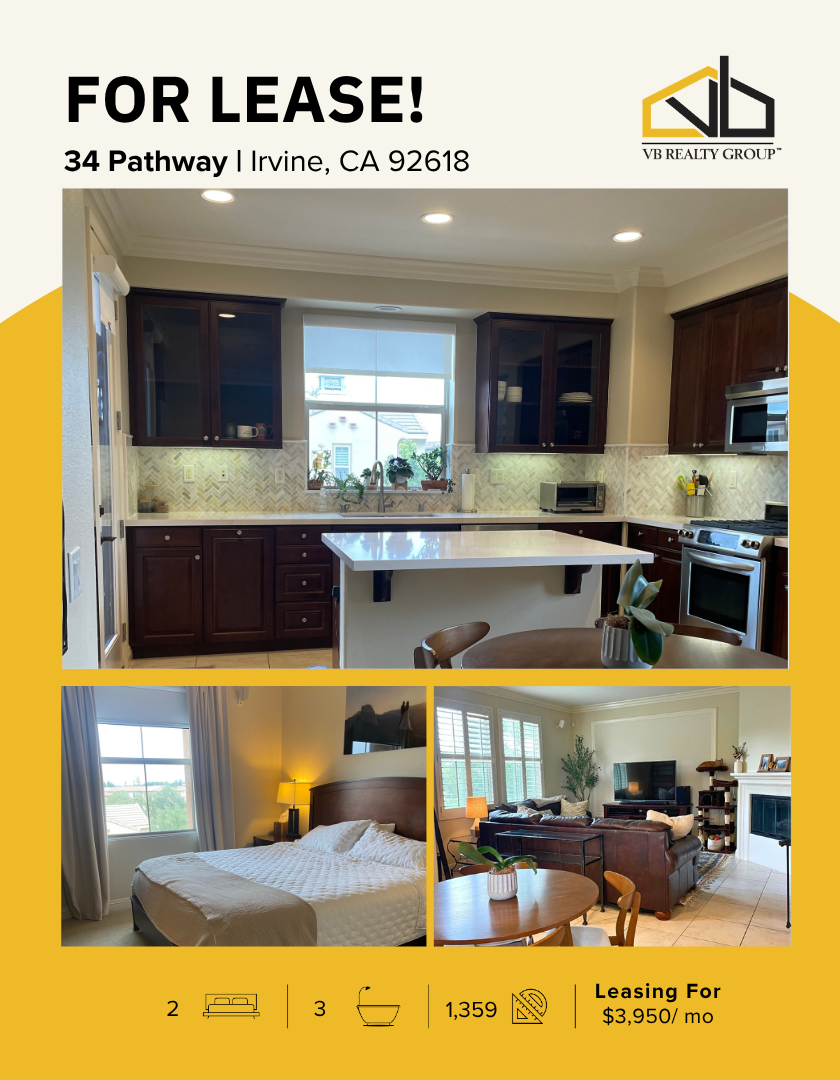
34 Pathway, Irvine, CA 92618
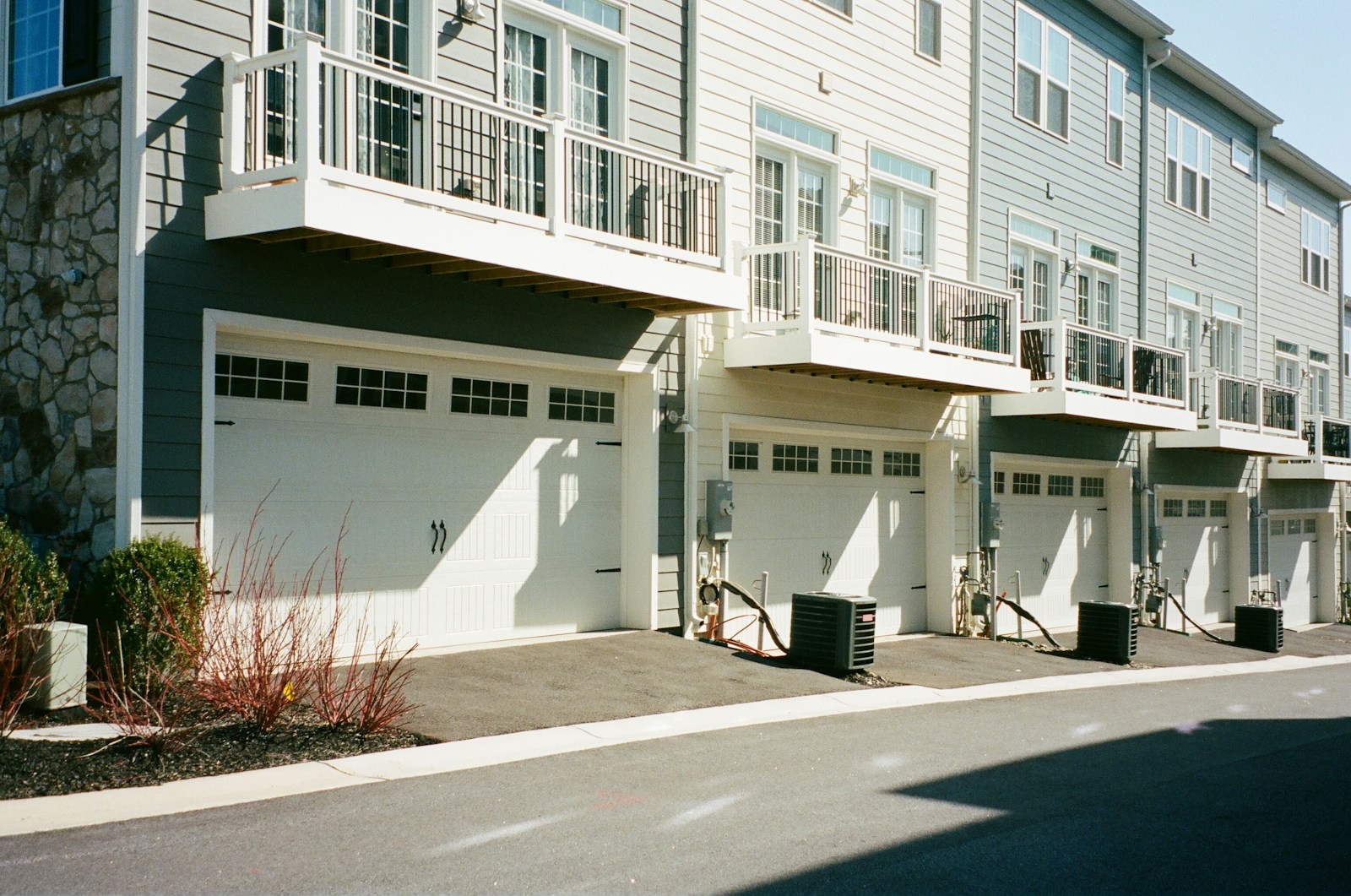
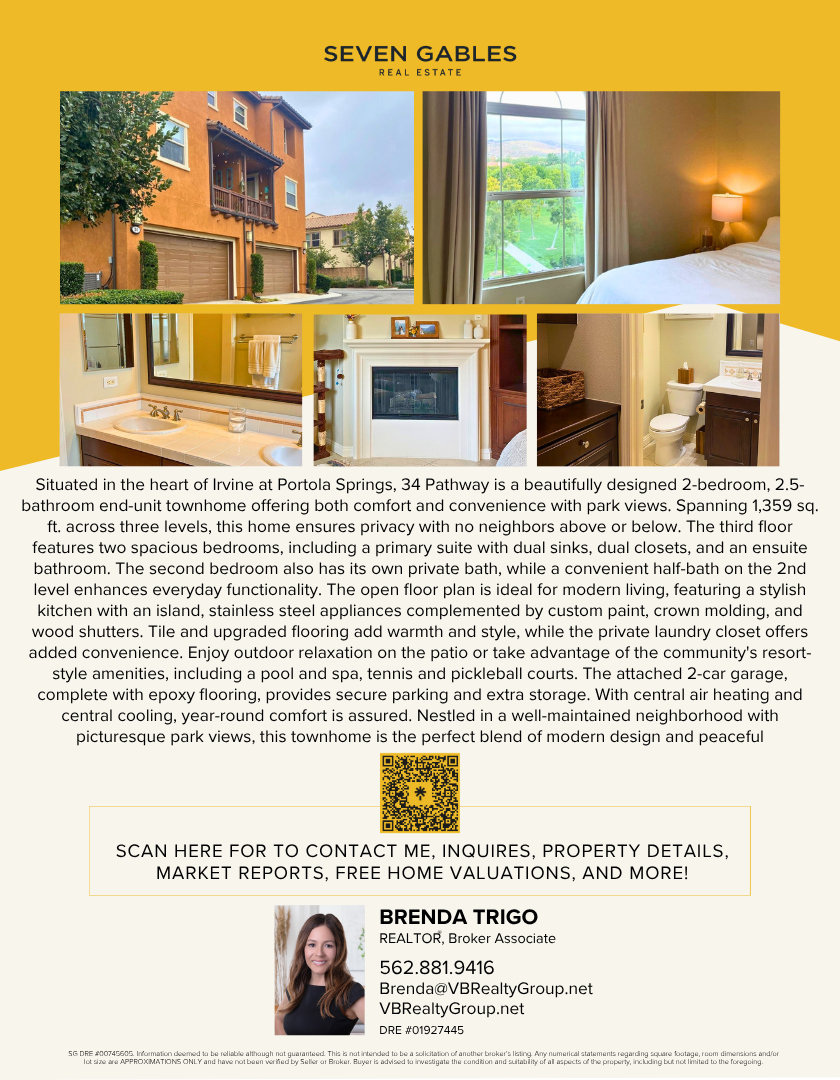
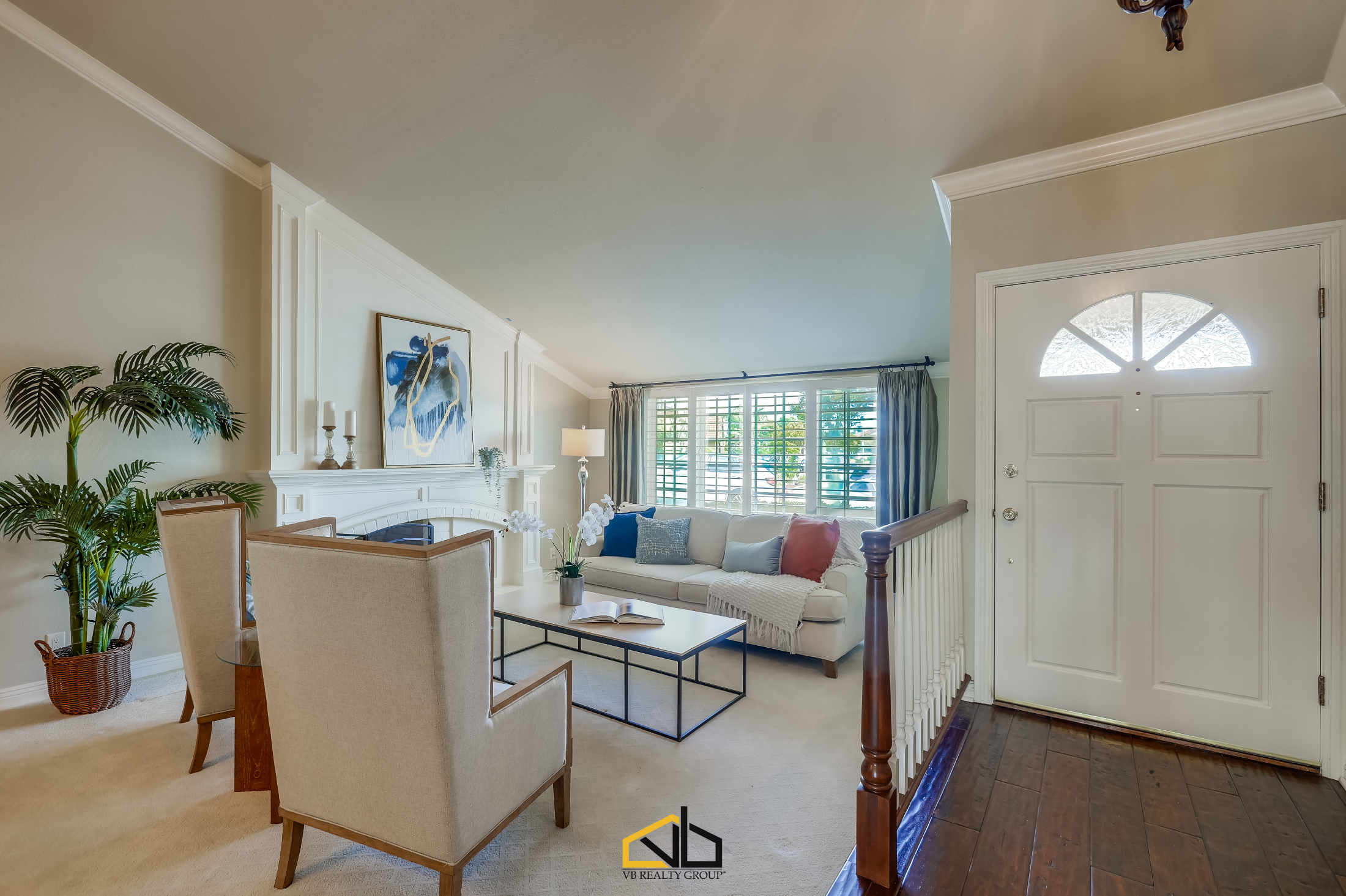
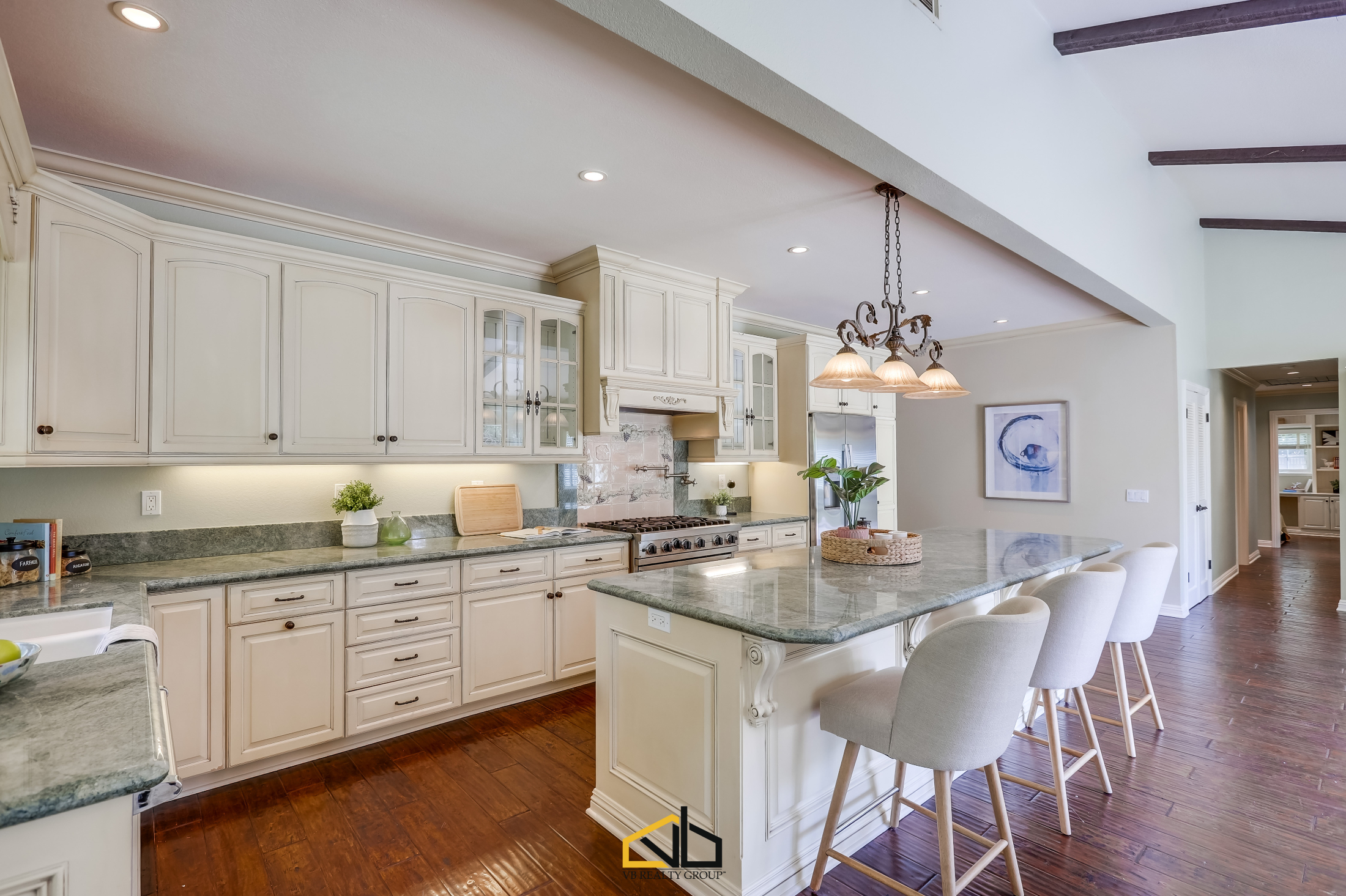
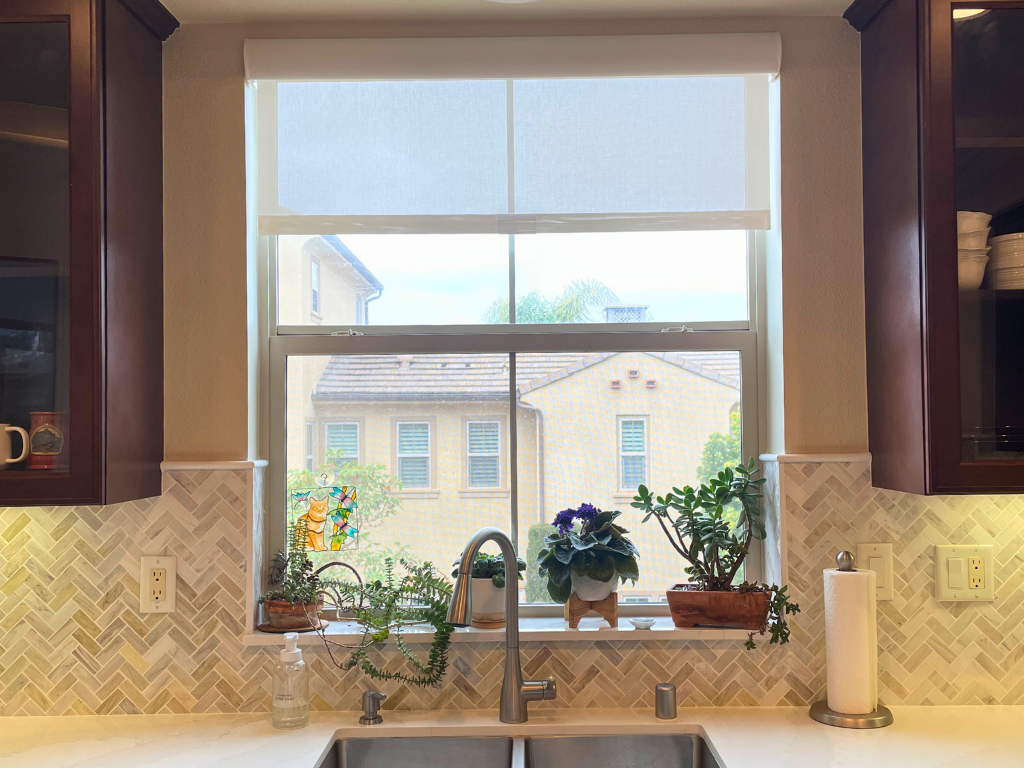
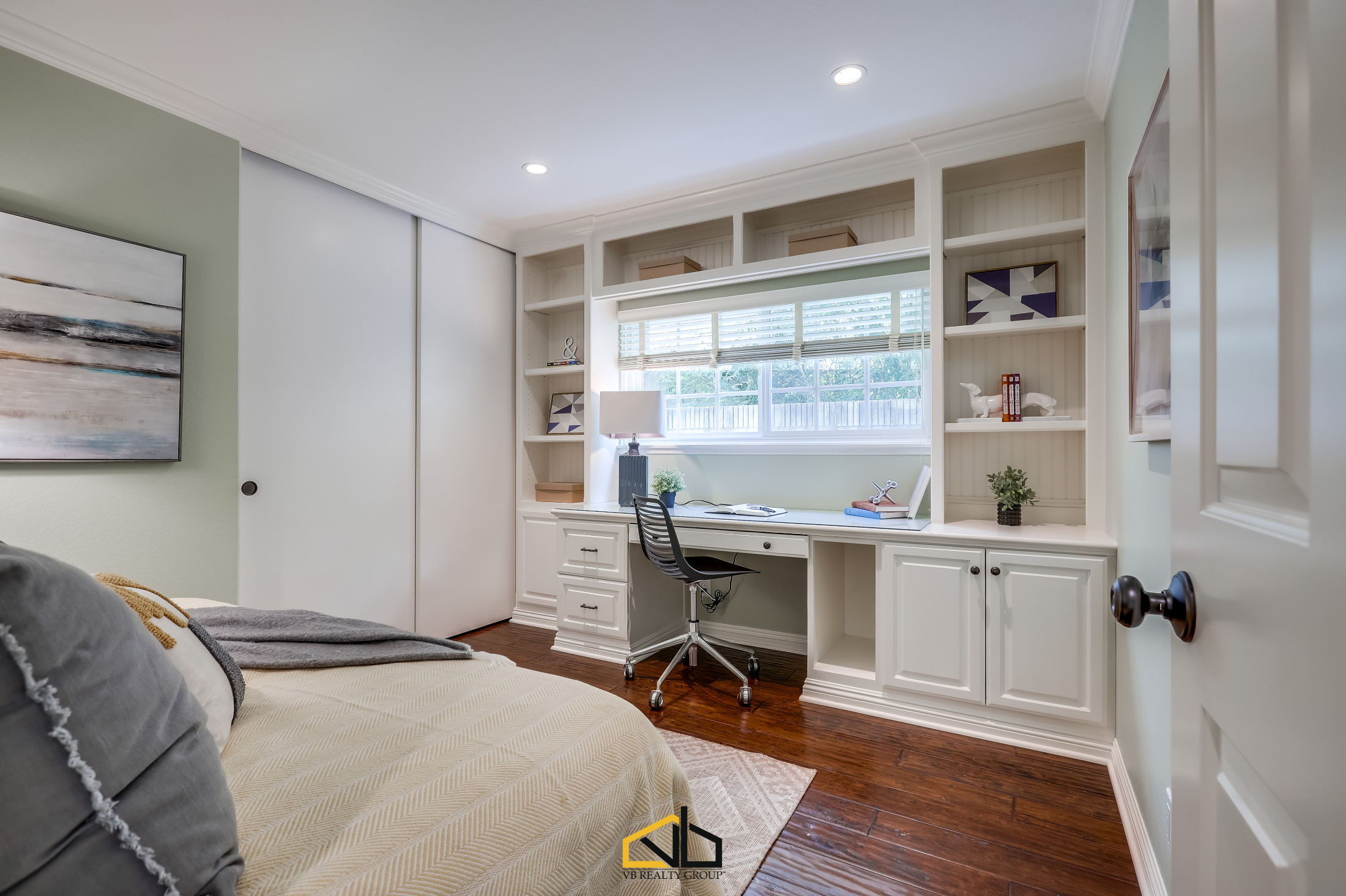
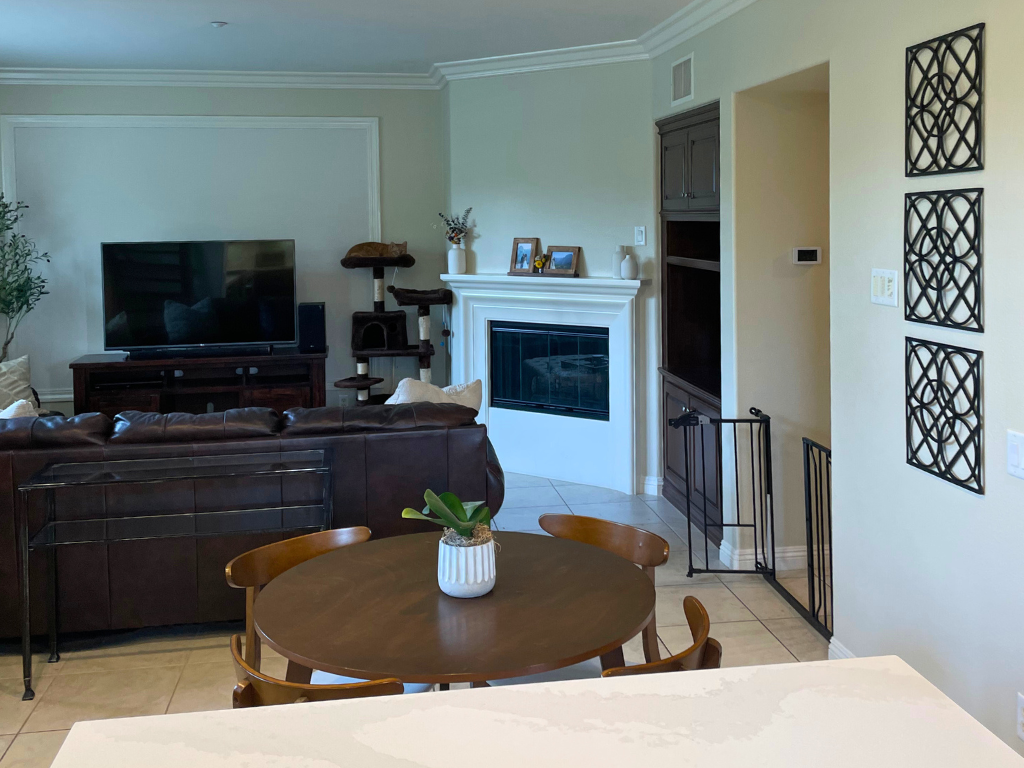
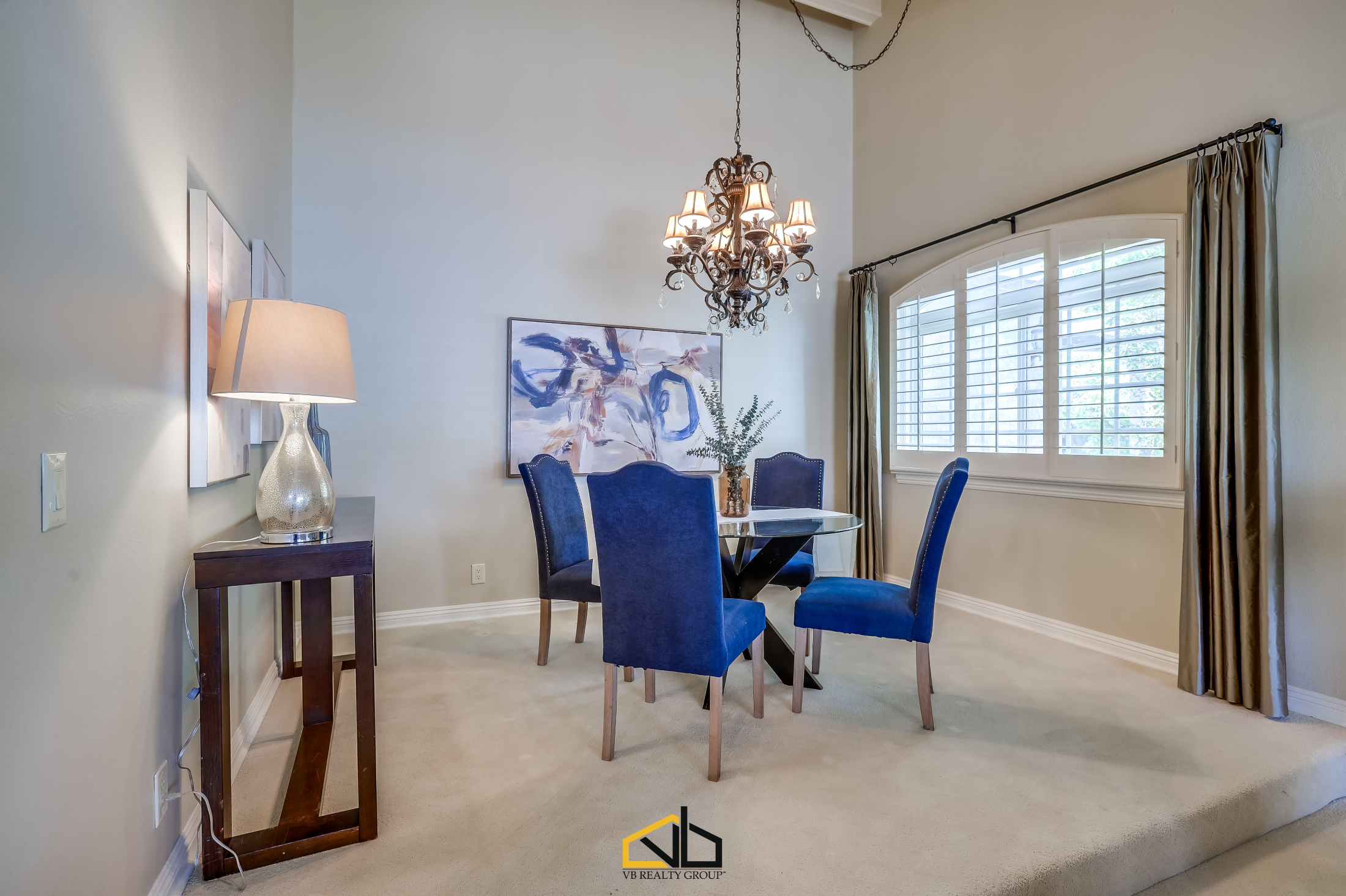
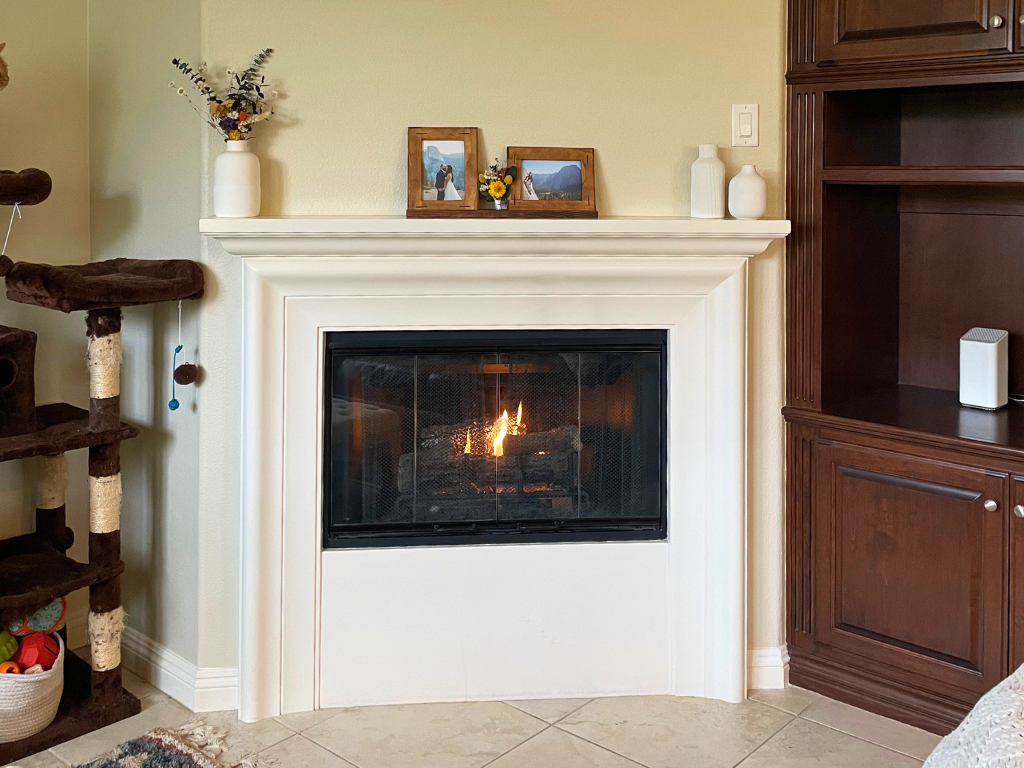
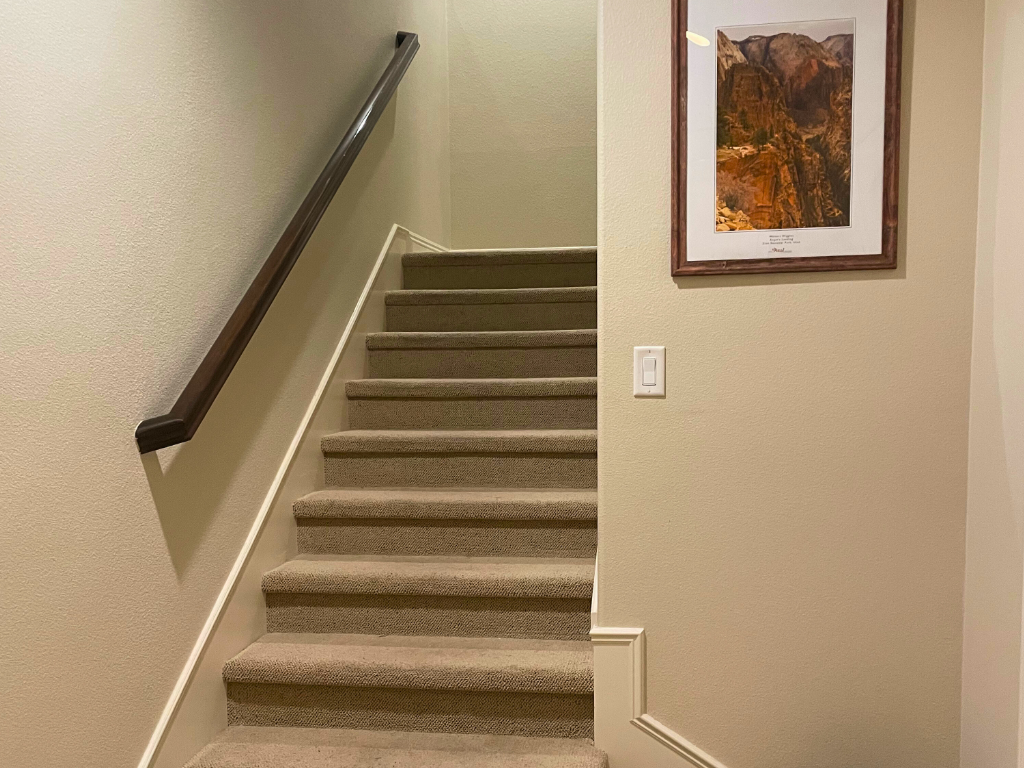
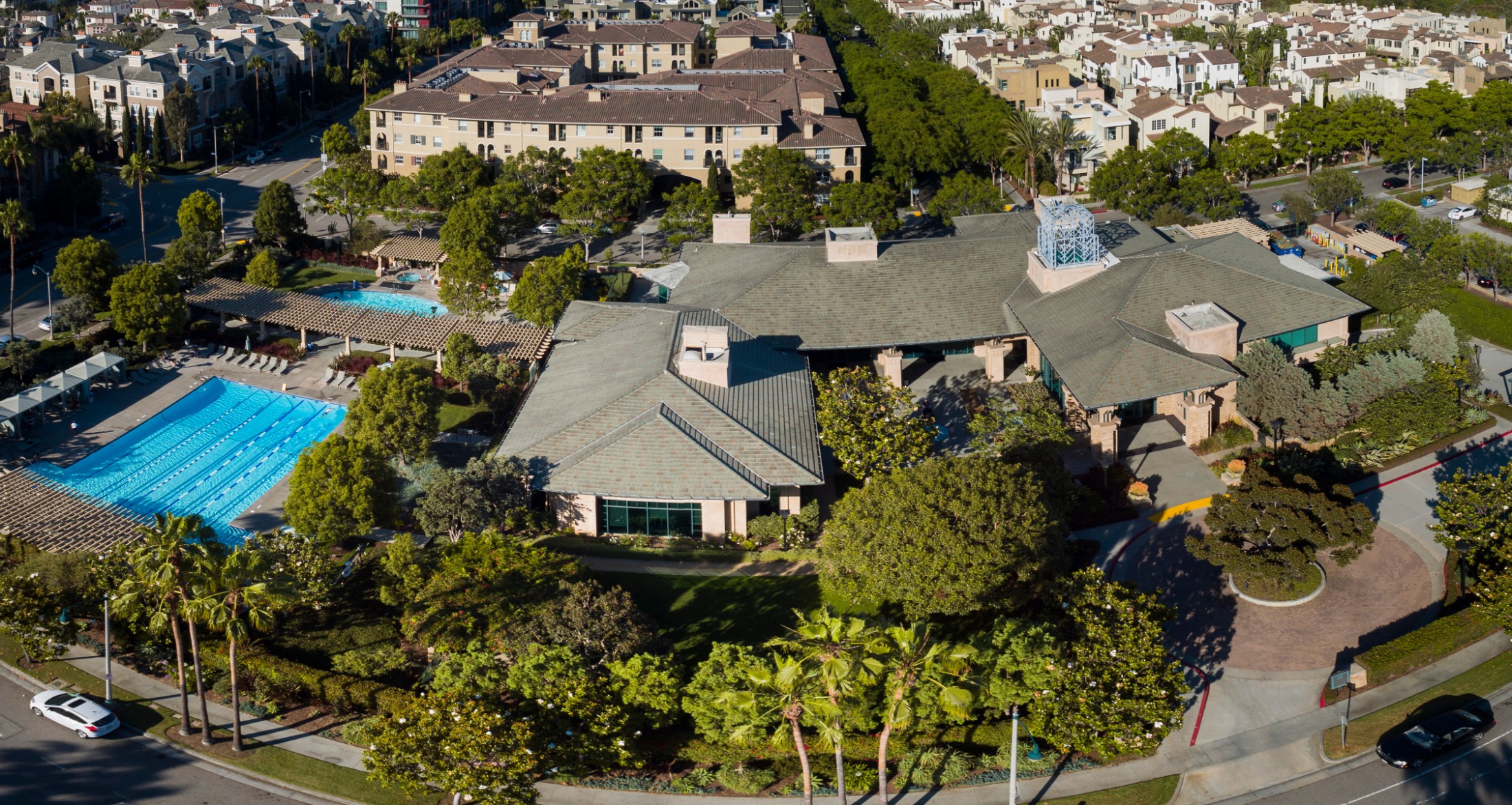
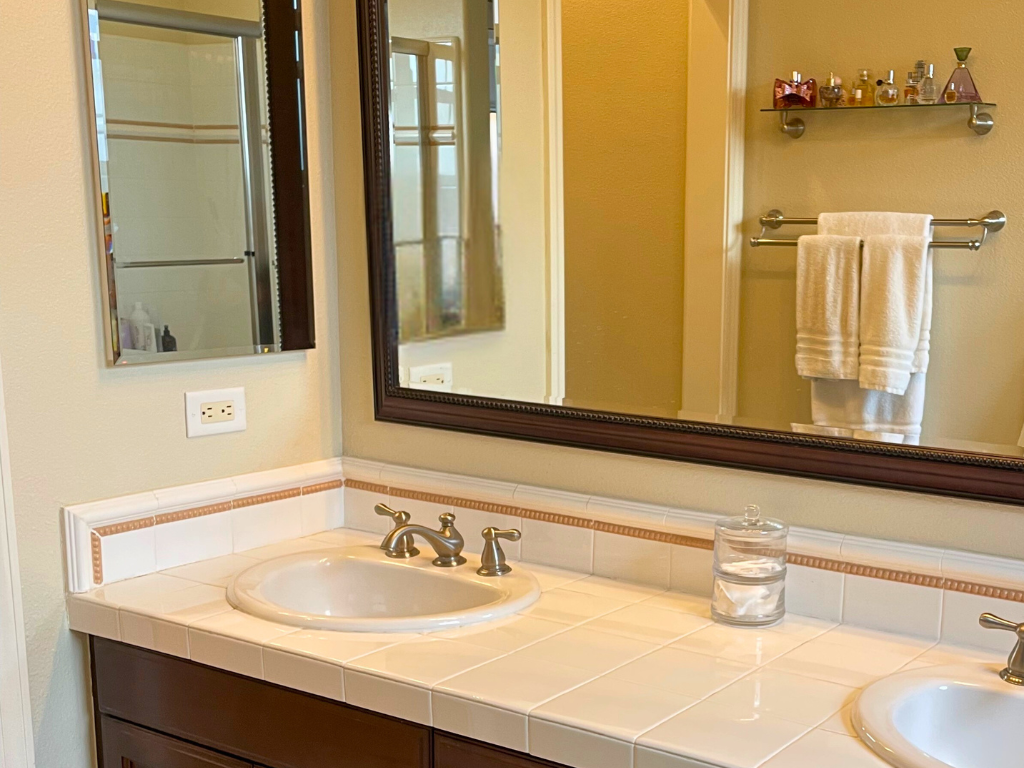
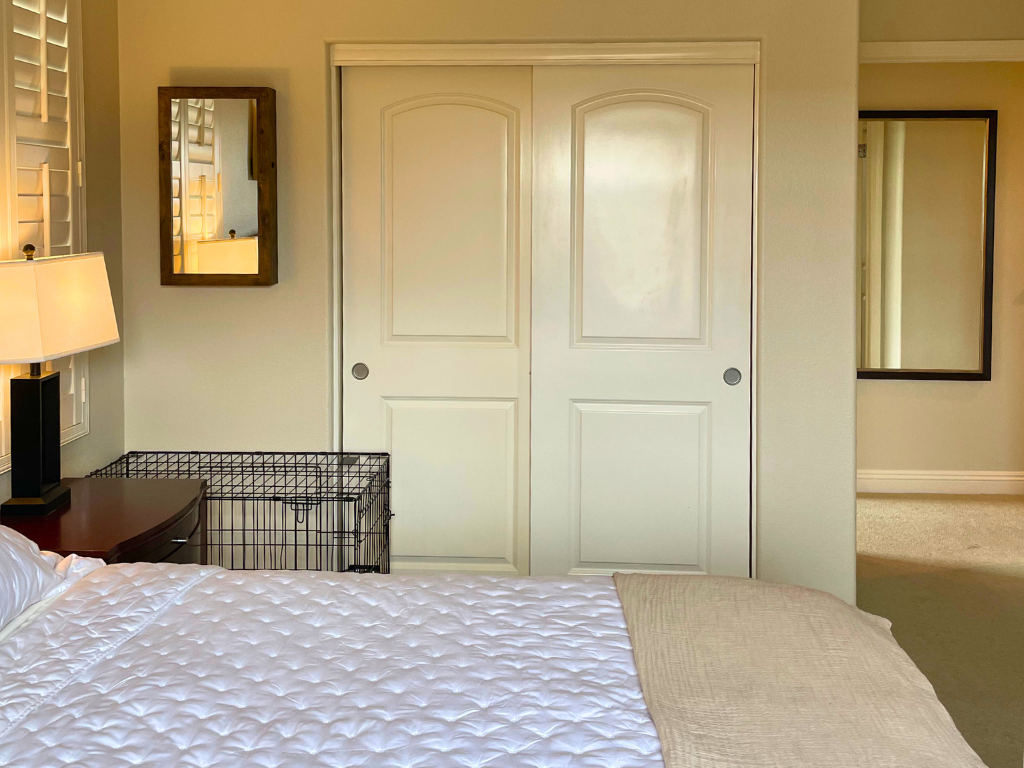
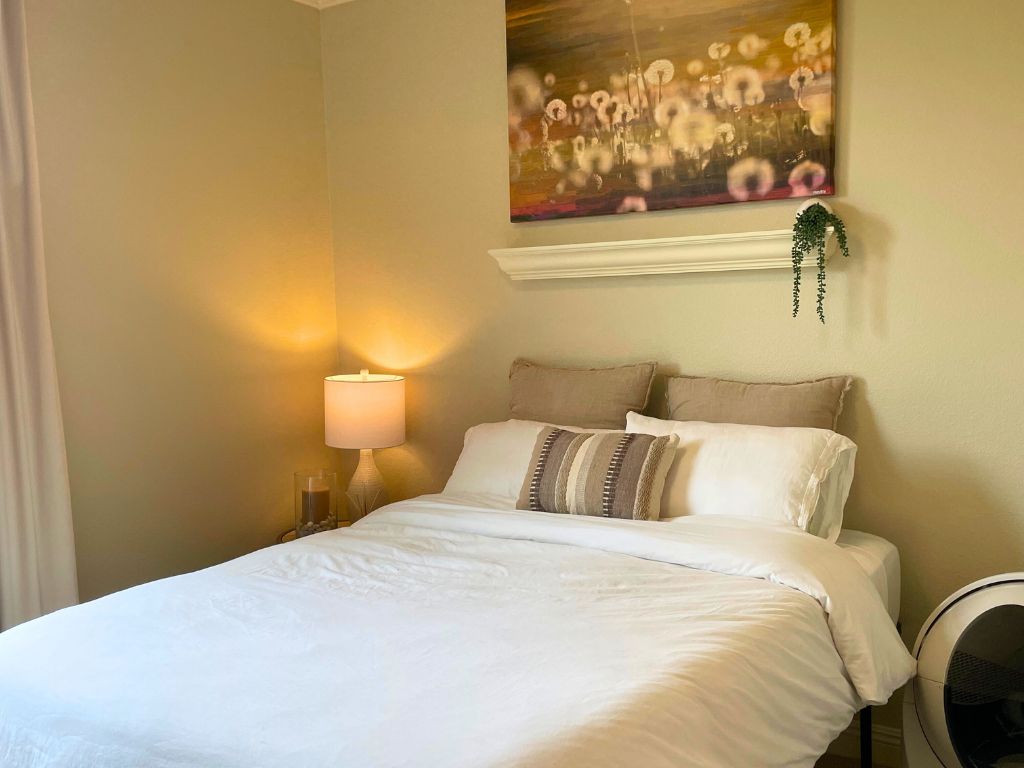
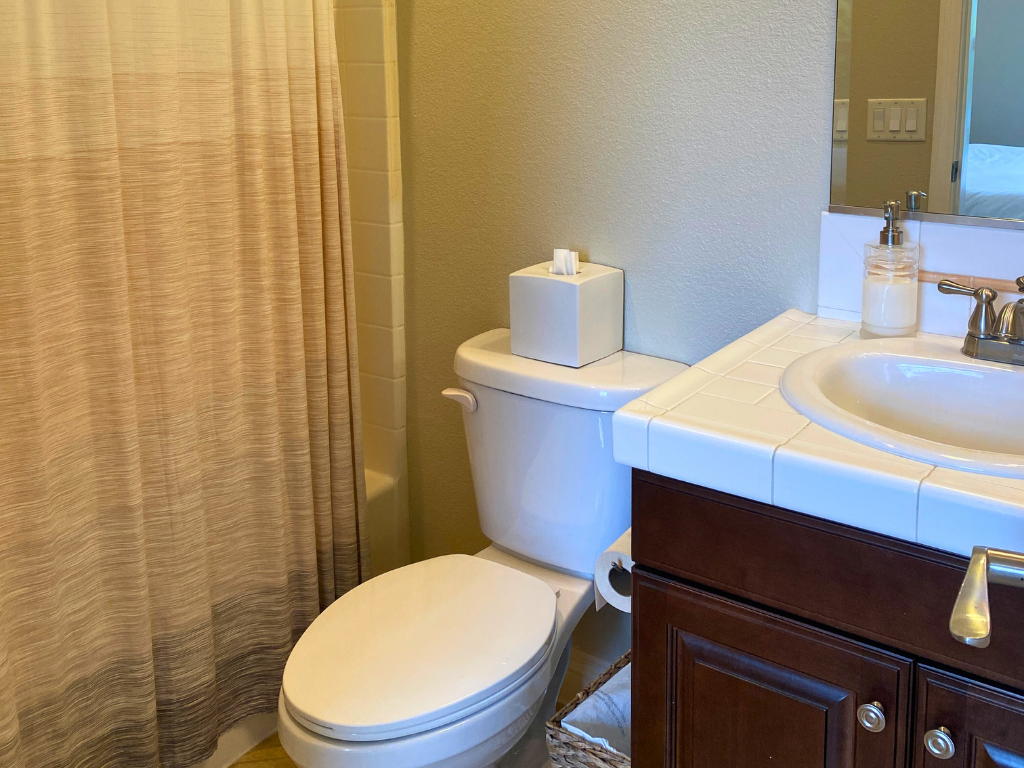
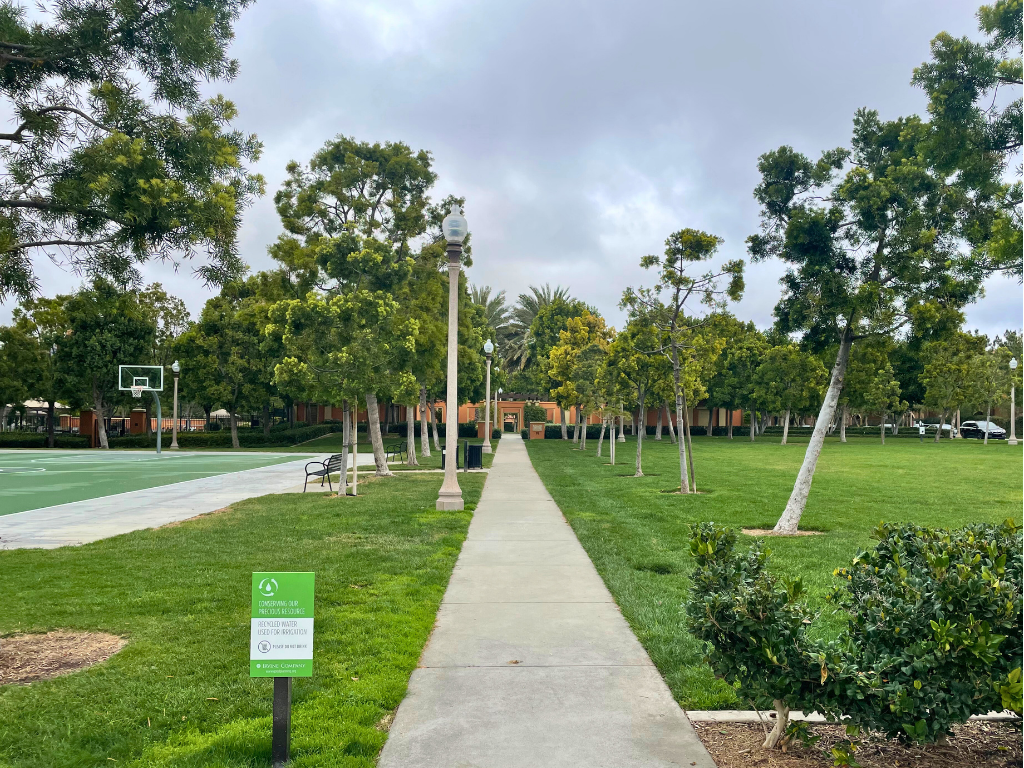
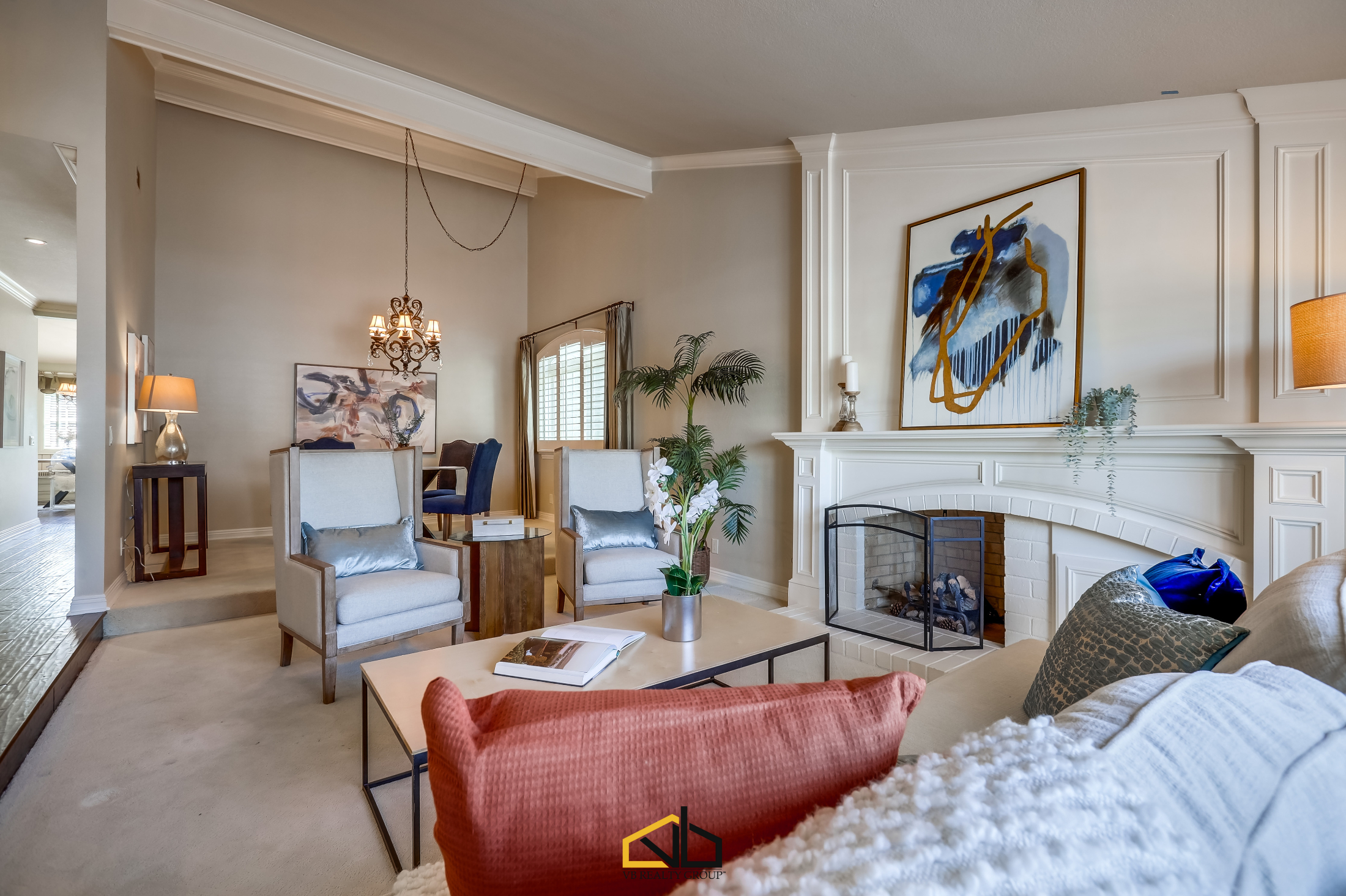
Situated in the heart of Irvine at Portola Springs, 34 Pathway is a beautifully designed 2-bedroom, 2.5-bathroom end-unit townhome offering both comfort and convenience with park views. Spanning 1,359 sq. ft. across three levels, this home ensures privacy with no neighbors above or below. The third floor features two spacious bedrooms, including a primary suite with dual sinks, dual closets, and an ensuite bathroom. The second bedroom also has its own private bath, while a convenient half-bath on the 2nd level enhances everyday functionality. The open floor plan is ideal for modern living, featuring a stylish kitchen with an island, stainless steel appliances complemented by custom paint, crown molding, and wood shutters. Tile and upgraded flooring add warmth and style, while the private laundry closet offers added convenience. Enjoy outdoor relaxation on the patio or take advantage of the community's resort-style amenities, including a pool and spa, tennis and pickleball courts. The attached 2-car garage, complete with epoxy flooring, provides secure parking and extra storage. With central air heating and central cooling, year-round comfort is assured. Nestled in a well-maintained neighborhood with picturesque park views, this townhome is the perfect blend of modern design and peaceful
.jpg)





.png)